The art of modern handwoven rugs: traditional techniques for contemporary spaces
From traditional looms to hand knotting techniques, exploring the craftsmanship behind G.T.DESIGN’s modern handwoven rugs
Modern handwoven rugs stand as a symbol of elegance, craftsmanship and timeless appeal in contemporary interior design. But what are the ancient traditional techniques that create these masterpieces nowadays? How do centuries-old weaving methods transform raw materials into works of art? G.T.DESIGN has pioneered the revival of these heritage methods by infusing them with innovative textile design and eco-conscious materials through an atelier-like approach, creating modern handwoven rugs that showcase the full potential and beauty of traditional techniques.
Ready to witness craftsmanship applied? Explore G.T.DESIGN’s rug collections to see how traditional techniques create modern handwoven rugs that tell stories of heritage and innovation.
The essence of handwoven techniques for modern rugs
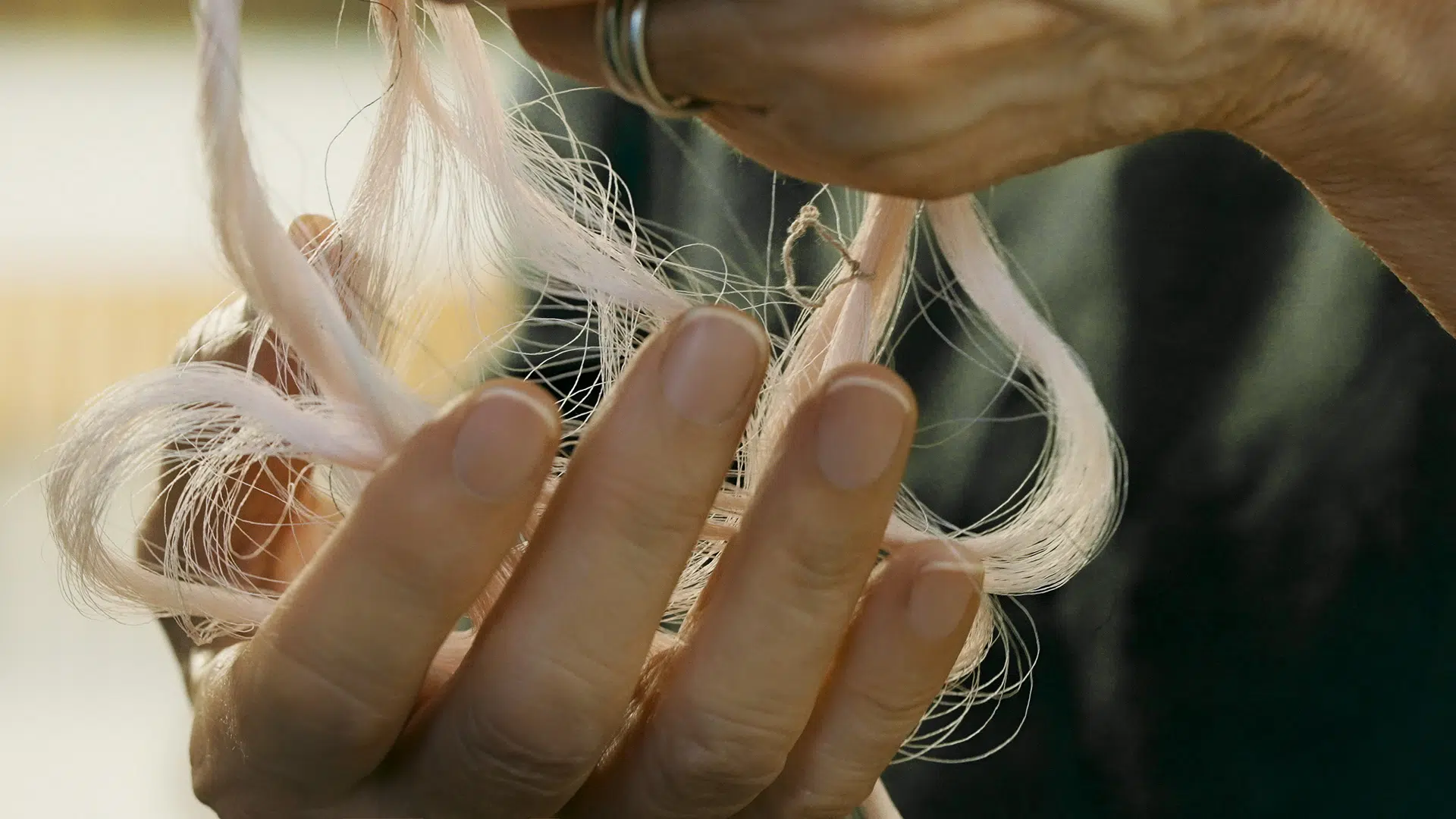
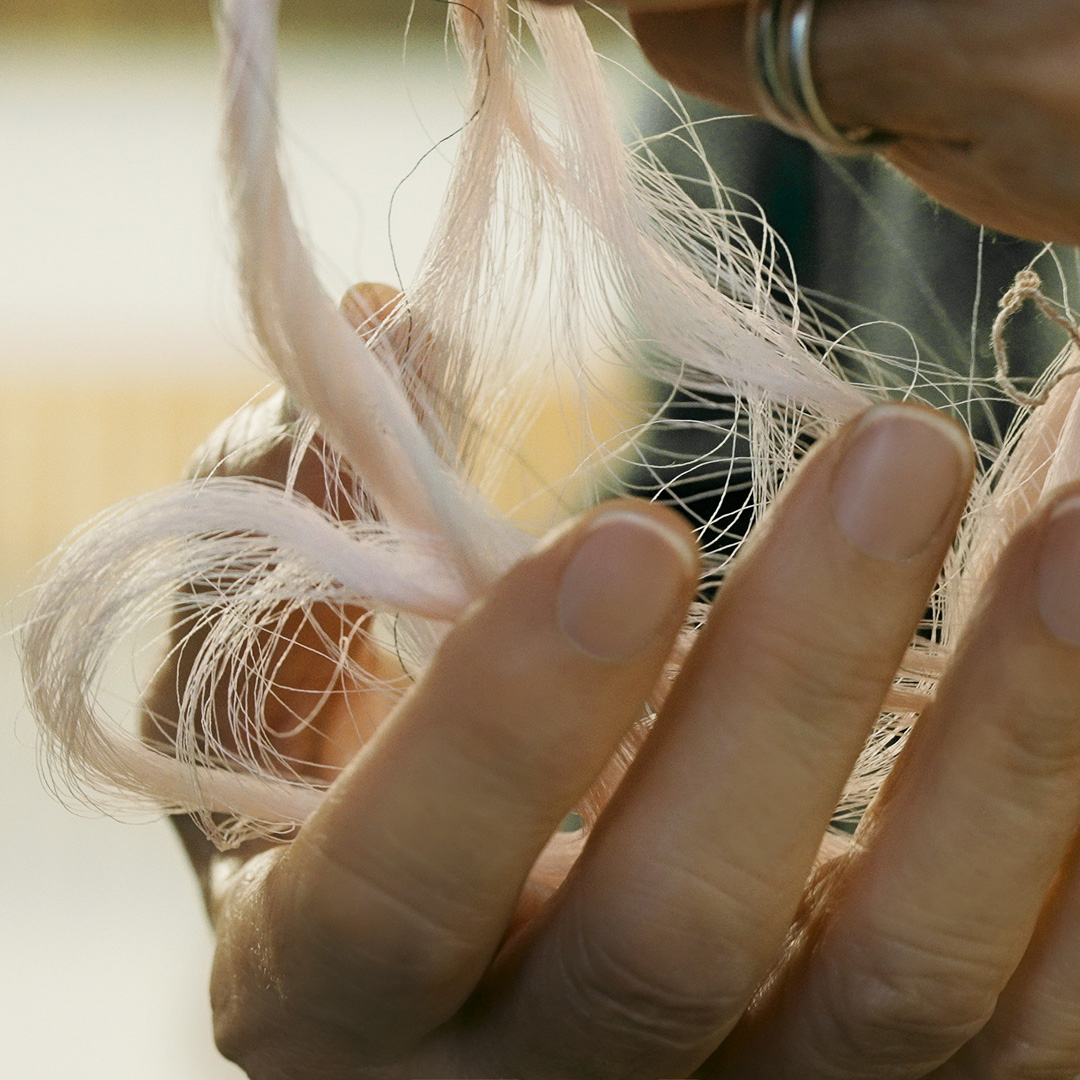
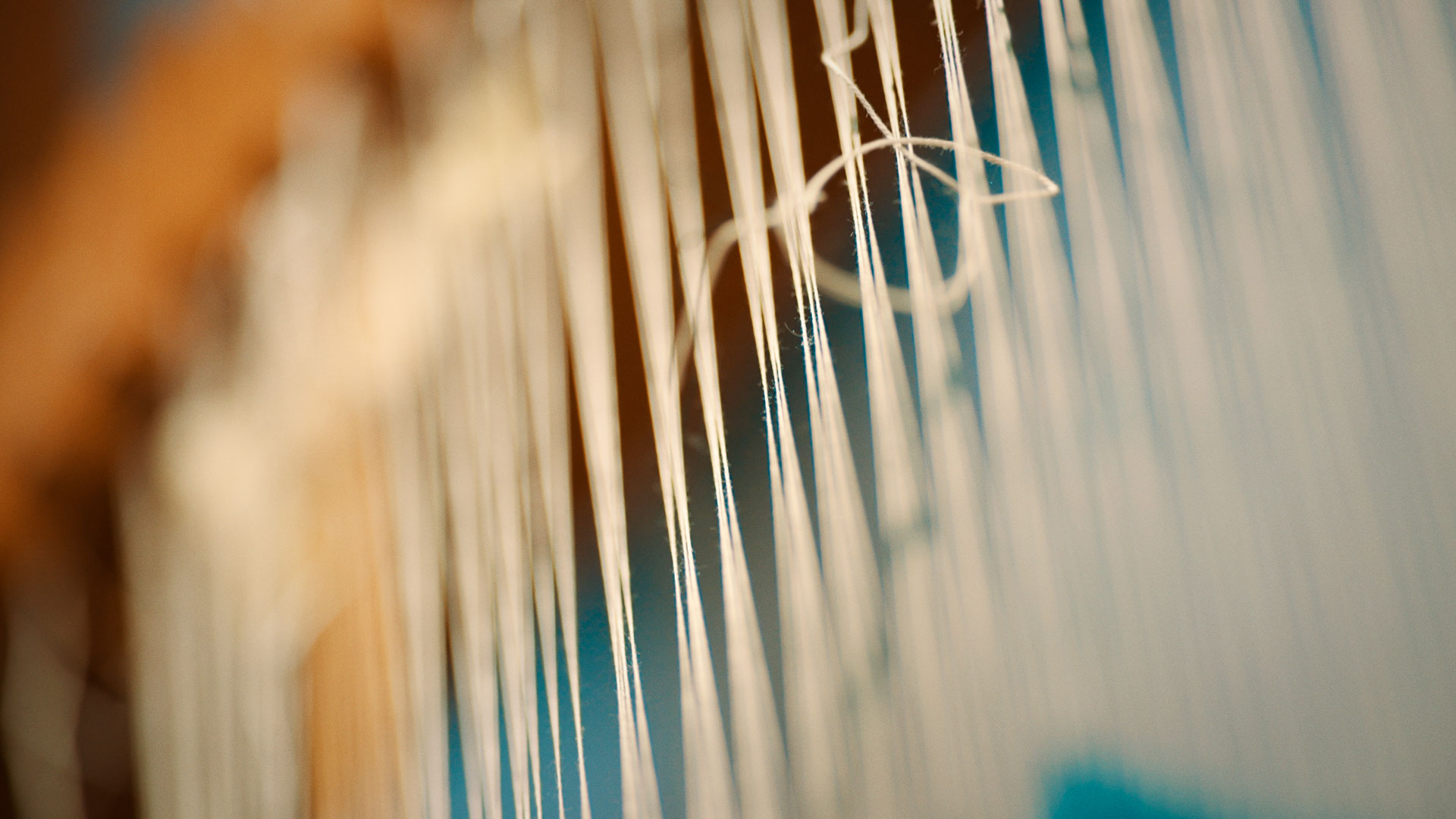
Each rug at G.T.DESIGN is a result of time-honored techniques passed on through generations of artisans and research into the fast-evolving textile technologies. At the core of G.T.DESIGN’s vision are the traditional weaving methods, incomparable in bringing out the best of natural fiber rugs such as jute, bamboo viscose, silk and wool – among others – while reflecting the brand’s dedication to quality, social and environmental sustainability and excellence in material selection. Handwoven both on modern and traditional looms are the foundation of many of the most iconic collections.

The Boom collection, for example, merges dense New Zealand wool with luminous bamboo fiber, resulting in a striking contrast of earthy structure and velvety sheen. Woven on traditional looms, the texture captures the awakening vibrancy of early spring blooms.
Another standout is Flat Out, a line of braided rugs designed for outdoor use. Woven from recycled PET on traditional looms, it exemplifies how high-performance materials can embody aesthetic subtlety. Its mélange texture and exceptional resistance to weather and wear reflect a deep respect for both form and function.
The In-Canto collection offers a luxurious vegan alternative with an ultra-fine bamboo viscose weave. Just 8 millimeters thick, this rug shimmers with changing light, creating a tactile and visual experience that elevates minimalist and modern interiors alike.
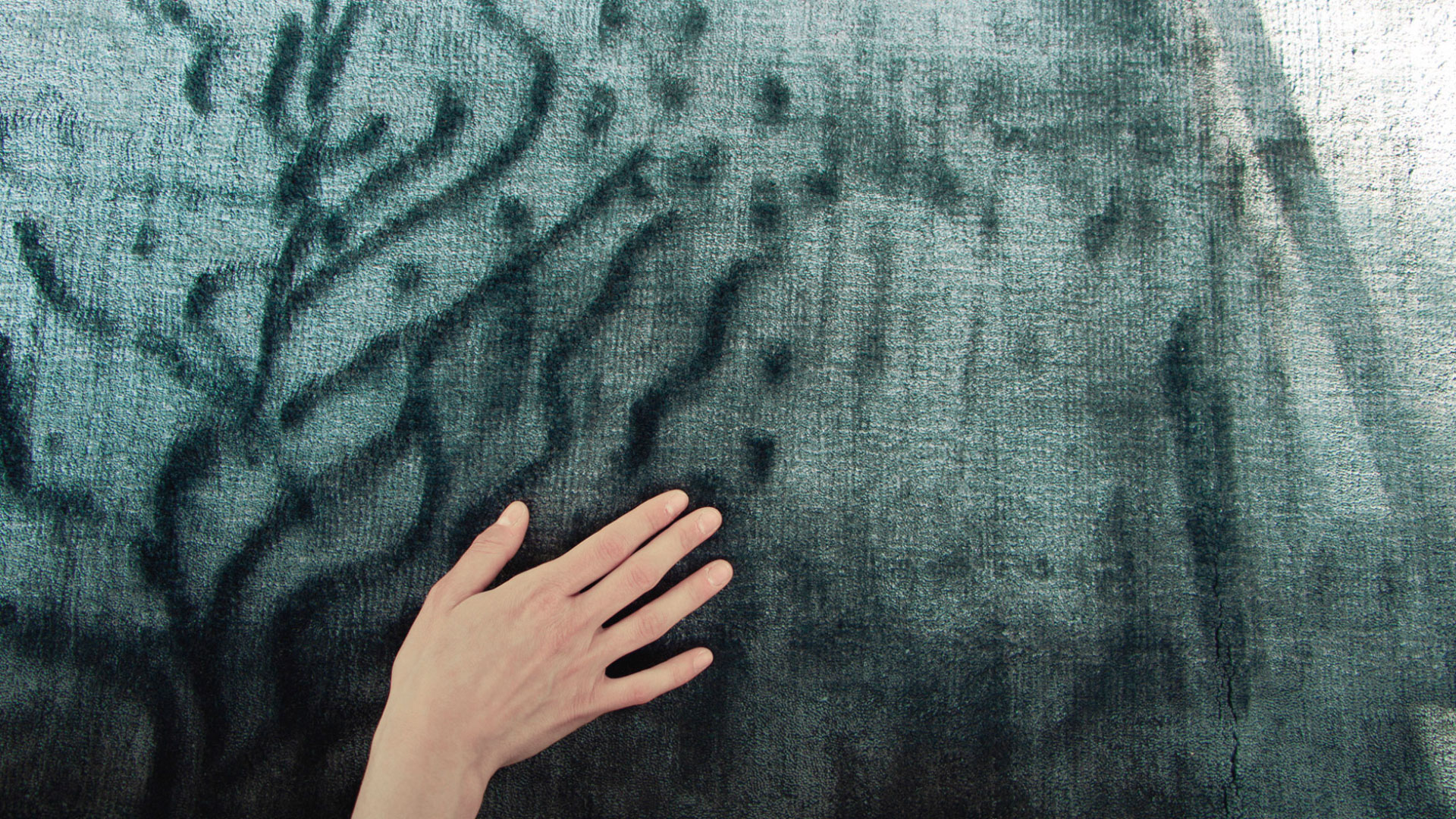
In-Canto Acquerello rug, in color Acque Platino
Handwoven on traditional looms

In-Canto Acquerello rug, in color Acque Platino
Handwoven on traditional looms
Heritage weaving meets modern materiality: the traditional wooden loom
Best-selling collections such as Coconutrug, Kama, and Paglietta showcase the versatility of handwoven techniques on traditional wooden looms. G.T.DESIGN’s pioneering collections emerged from a deliberate partnership with traditional handloom artisans, harnessing these heritage looms that provide exceptional strength, freedom of expression, and adaptability for personalized craftsmanship. These traditional handlooms, with their reinforced wooden frames and precise tension control, enable artisans to work with challenging materials like coconut coir while maintaining the flexibility to tailor each piece to individual customer needs.
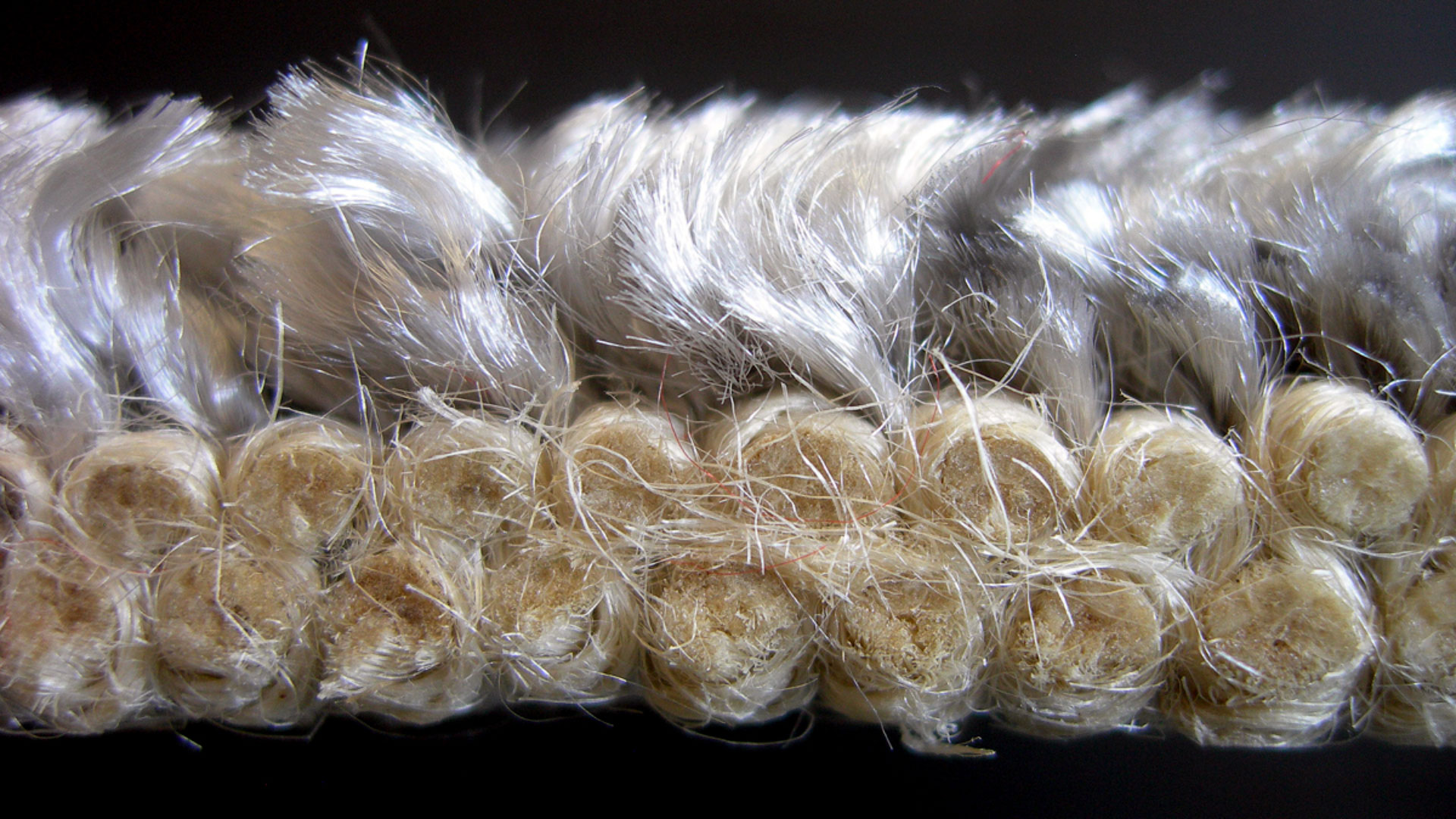

Coconutrug, an industry first, introduced the use of coconut fiber in luxury rugs. Terra Fresca enhances this legacy with high-quality coconut fiber blended with luminous yarns in natural tones, yielding a richly textured surface ideal for high-traffic areas.
Kama revolutionized contemporary rug design with its hand-cut viscose weave that reflects and diffuses light with a depth unmatched by synthetic materials. Each rug becomes a visual sculpture underfoot, beloved by interior designers and architects for its luxurious tactility and dramatic aesthetic.
The Paglietta collection pairs heritage jute with G.T.DESIGN’s signature technical yarn, creating braided rugs that are at once rustic and refined. The irregular hand-twisted loops form a surface alive with movement and color variation, proving that even the most utilitarian fiber can become a luxury statement.

Rugs: Coconutrug Terra Fresca, Seta, Seta il Re

Rugs: Coconutrug Terra Fresca, Seta, Seta il Re
Why choose weaving on traditional wooden looms:
- Exceptional strength and durability – Reinforced wooden frames provide superior stability for complex weaving patterns
- Precise tension control – Allows artisans to work with challenging materials like coconut coir while maintaining consistent quality
- Adaptability for customization – Enables personalized craftsmanship tailored to individual customer specifications
- Heritage craftsmanship – Partners with traditional handloom artisans to preserve centuries-old techniques
- Material versatility – Successfully handles diverse fibers from New Zealand wool to bamboo viscose and recycled PET
The beauty of braided and knotted techniques

Rug Dot Millepiani
Hand-knotted

Rug Dot Millepiani
Hand-knotted
From the Persian knot to the Turkish Ghiordes and Afghan techniques, various knotting methods exist across cultures, each with distinct knot size, where generally the smaller and tighter the knot, the more precious and time-consuming the finished piece becomes. Braiding, and especially knotting, represent the most labor-intensive yet rewarding aspects of modern hand-woven rug creation. These ancient techniques demand exceptional skill and patience, as artisans manipulate individual fibers to create complex, often, three-dimensional textures that machine production cannot replicate. The hand-braided construction in collections like Rime and Hula Hoop showcases how traditional rope-making methods translate into contemporary rug design, where recyclable technical yarns are meticulously interlaced to form weather-resistant surfaces, using the strength of the rope shape to increase durability.
Meanwhile, the intricate Sumak hand knotting technique employed in Himalayan Skin transforms humble nettle and jute fibers into sculptural pieces, with knots serving as both structural foundation and decorative element. This meticulous process, often taking weeks to complete a single piece, imbues every rug with the irreplaceable human touch that defines true luxury—where slight irregularities and the natural rhythm of the artisan’s hand become the very essence of the rug’s character and authenticity.

Himalayan Skin rug, model C
Hand knotted Sumak technique

Himalayan Skin rug, model C
Hand knotted Sumak technique
The excellence of weaving and knotting:
- Cultural diversity – Persian, Turkish Ghiordes, and Afghan knotting methods each offer distinct characteristics
- Precision craftsmanship – Smaller, tighter knots create more precious and time-intensive masterpieces
- Three-dimensional textures – Creates complex sculptural surfaces impossible with machine production
- Labor-intensive artistry – Each piece requires weeks of meticulous handwork by skilled artisans
- Sustainable materials – Transforms recyclable technical yarns and natural fibers into luxury pieces
- Weather resistance – Hand-braided construction provides exceptional durability for indoor/outdoor use
- Featured techniques: Sumak hand knotting, traditional braiding methods
Contemporary expression through tufting
Hand tufting involves artisans using specialized guns to punch individual yarn loops through canvas backing, enabling precise pile height variations and sculptural forms. This technique allows for highly detailed pattern work, as demonstrated in the Cobblestone collection. Unlike traditional weaving, tufting creates topographical landscapes of texture that shift dynamically with light and perspective.
Crafted in sustainable Tencel™, Cobblestone echoes the timeless geometry of Italian piazzas with its mosaic-like color blocks and fluid, organic formats. Each piece is then hand-carved to create subtle height variations that give the surface its distinctive three-dimensional quality, while hand-stitched elements across G.T.DESIGN’s lines emphasize mastery over texture. The surface glows softly in ambient light, inviting both touch and contemplation through its tactile richness.

Cobblestone rug, color combination 15
hand tufted

Cobblestone rug, color combination 15
hand tufted
Why choose tufting:
- Precision placement – Specialized tufting guns punch individual yarn loops through canvas backing
- Dimensional control – Enables varied pile heights within single pieces for topographical texture effects
- Sculptural possibilities – Creates highly detailed pattern work and three-dimensional surface qualities
- Light interaction – Surfaces shift dynamically with changing light and perspective
- Hand-carved finishing – Each piece receives individual attention for subtle height variations
- Seamless color transitions – Achieves precise geometric boundaries challenging for traditional weaving
- Contemporary versatility – Perfect for modern interiors requiring architectural geometry
The future of sustainable handwoven luxury

Tappeto Paglietta Cotta, Ocra
Tessuto a mano su telai artigianali

Tappeto Paglietta Cotta, Ocra
Tessuto a mano su telai artigianali
At its core, the art of modern hand-woven rugs is a dialogue between material, method and meaning. G.T.DESIGN redefines this timeless tradition by fusing the wisdom of craftsmanship with the potential of innovative, sustainable fibers.
Each technique – from hand twisted to hand knotted – introduces a distinct texture and aesthetic. Collections such as Boom, Kama and Himalayan Skin illustrate how this diversity of approach can be transformed into modern hand-woven rugs that are both expressive and enduring.
As interior design evolves toward authenticity and conscious living, modern hand-woven rugs remain a powerful expression of luxury. The deliberate imperfections and human touch in every piece offer an emotional connection that machine-made alternatives cannot replicate.
Whether illuminating a minimalist space with the shimmering finesse of In-Canto or enriching contemporary interiors with Cobblestone‘s architectural geometry, G.T.DESIGN’s collections transcend seasonal trends. They transform living spaces with tactile richness, refined design and a commitment to sustainable innovation.
In a world increasingly shaped by mass production, G.T.DESIGN continues to lead with intention – preserving the artistry of tradition while shaping the future of modern textile design. These modern hand-woven rugs are more than handcrafted furnishings; they are living works of art, designed for those who appreciate the elegance of craft and the integrity of mindful creation.